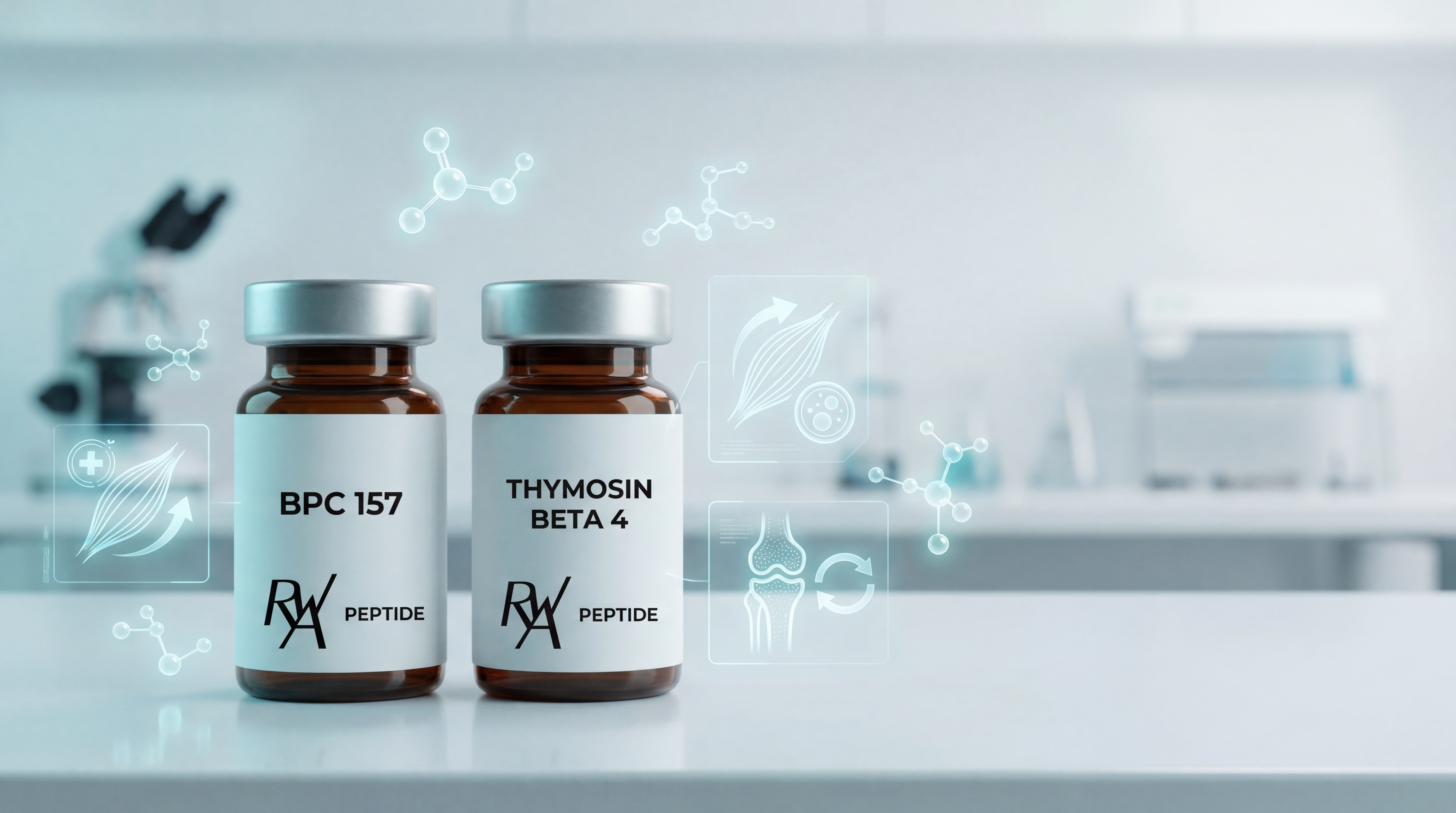

In the realm of regenerative medicine, TB 500 (Thymosin Beta 4) and BPC 157 have emerged as two prominent healing peptides, each with unique mechanisms and benefits. This article delves into the biological roles of these peptides, their therapeutic applications, and how they may support injury recovery. Many individuals seeking effective recovery solutions often find themselves confused about which peptide to choose. Understanding the differences and similarities between TB 500 and BPC 157 can help in making informed decisions. We will explore their mechanisms of action, therapeutic uses, safety profiles, and patient experiences, providing a comprehensive overview of these healing peptides.
Indeed, the combined application of BPC-157 and TB-500 is an area of growing interest, suggesting a synergistic approach to advanced regenerative medicine.
BPC-157 & TB-500: Synergistic peptides for injury recovery
The combination of BPC-157 and TB-500 represents a fascinating area of peptide research. As investigations continue to uncover their multifaceted impacts, BPC-157 and TB-500 hold significant promise for advancing regenerative medicine and injury recovery.
How does BPC 157 promote tissue repair and healing?
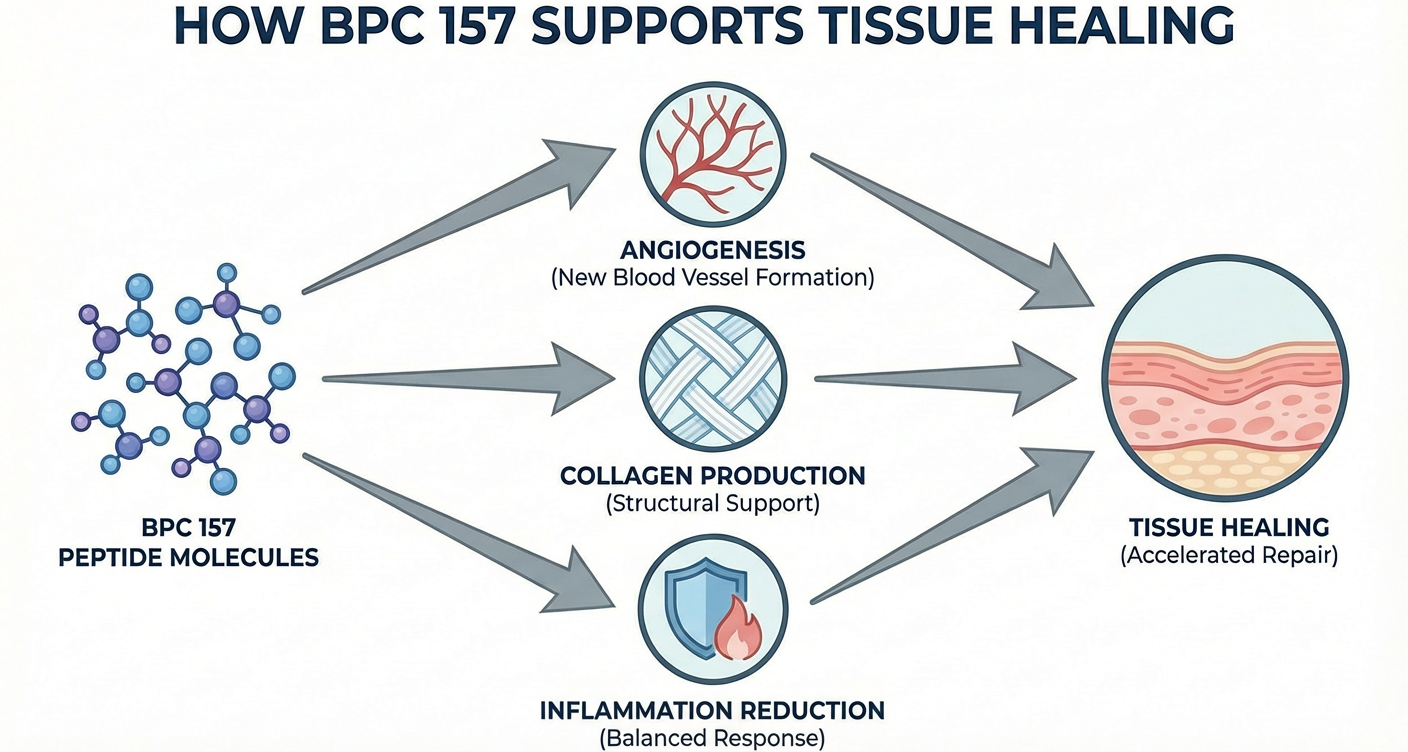
BPC 157 promotes tissue repair by interacting with growth hormone receptors, facilitating blood vessel formation, and enhancing the production of growth factors. This peptide has been shown to accelerate healing in various tissues, including muscles, tendons, and ligaments. Its ability to modulate the inflammatory response also contributes to its effectiveness in reducing pain and promoting recovery. BPC 157’s unique properties make it a popular choice for individuals recovering from injuries or surgeries.
How do TB 500 and BPC 157 differ in therapeutic uses and benefits?
TB 500 and BPC 157 differ significantly in their therapeutic applications and benefits. While both peptides are effective in promoting healing, they target different aspects of the recovery process. TB 500 works systemically, enhancing overall cellular healing and tissue regeneration, making it suitable for a wide range of injuries. In contrast, BPC 157 is more focused on specific tissue types, particularly in reducing inflammation and accelerating recovery in localized injuries.
| Peptide | Therapeutic use | Key benefits |
|---|---|---|
| TB 500 | Systemic healing | Enhances cell migration, reduces inflammation |
| BPC 157 | Localized healing | Accelerates tissue repair, modulates inflammation |
For those interested in exploring the benefits of these peptides, Information Hub offers resources and support services to help individuals make informed decisions about their recovery options.
What are the key healing properties of TB 500 peptide?
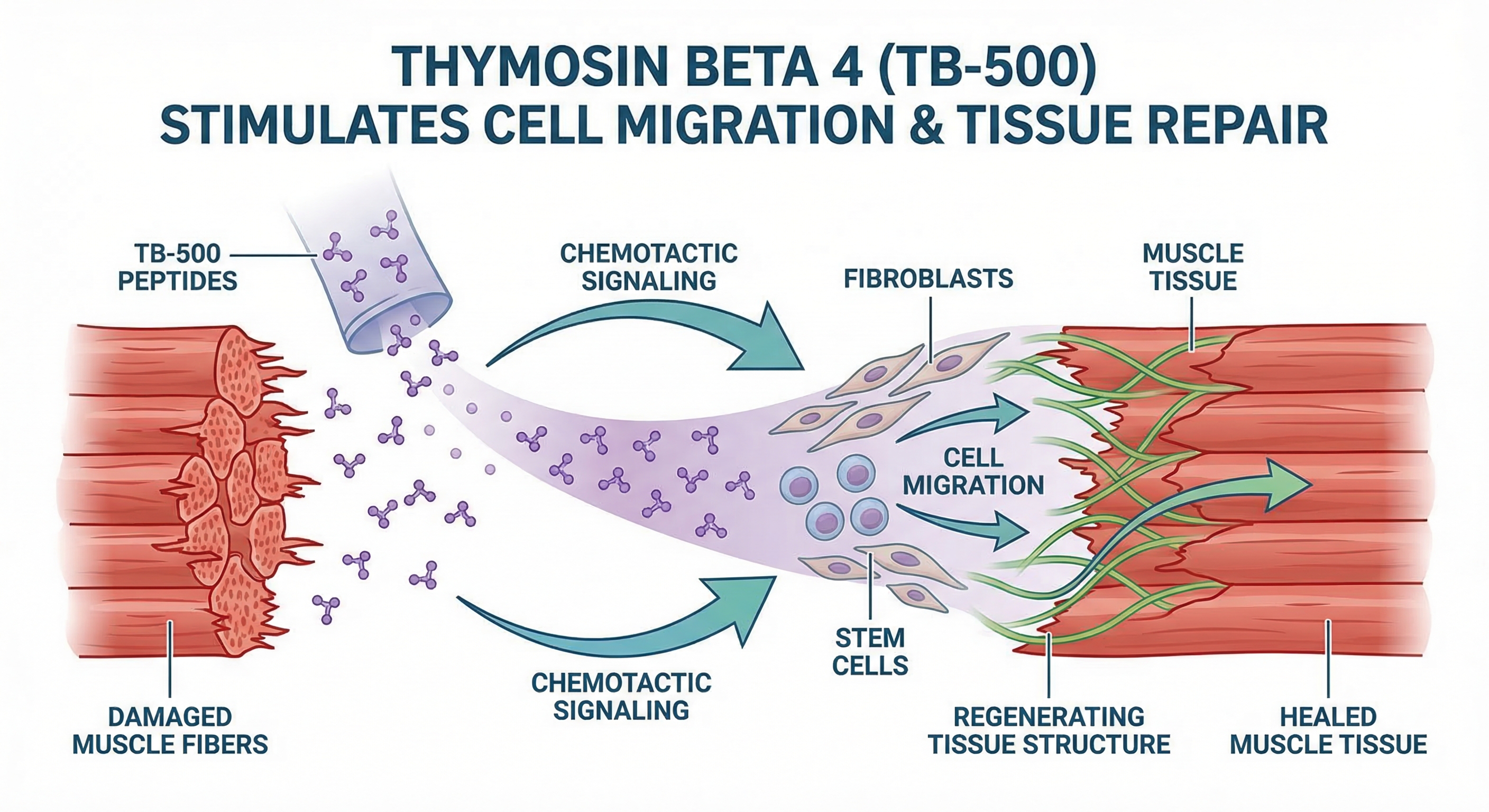
TB 500 possesses several key healing properties that contribute to its effectiveness in injury recovery:
- Enhanced tissue repair: TB 500 promotes the regeneration of damaged tissues, facilitating faster recovery.
- Reduced inflammation: By lowering inflammation levels, TB 500 helps alleviate pain and discomfort associated with injuries.
- Improved flexibility: The peptide aids in restoring flexibility and mobility in injured areas, enhancing overall function.
These properties make TB 500 a valuable option for athletes and individuals seeking to recover from injuries effectively.
What clinical benefits does BPC 157 offer for injury recovery?
BPC 157 offers numerous clinical benefits for individuals recovering from injuries:
- Speeds up recovery: BPC 157 has been shown to significantly accelerate recovery from various injuries, including tendon and ligament damage.
- Modulates inflammatory response: The peptide helps regulate inflammation, reducing pain and swelling in affected areas.
- Well-tolerated: Clinical studies indicate that BPC 157 is well-tolerated with minimal side effects, making it a safe option for many individuals.
These benefits highlight the potential of BPC 157 as a therapeutic agent in injury recovery.
Further research underscores BPC 157’s extensive healing capabilities, extending beyond musculoskeletal injuries to the gastrointestinal tract.
BPC 157: Healing gastrointestinal & musculoskeletal injuries
Commonly, the angiogenic growth factors signify healing. However, gastrointestinal ulceration is still poorly understood, particularly with respect to a general pharmacological/pathophysiological role of various angiogenic growth factors implemented in growth factors wound healing concept. Thereby, we focused on the stable gastric pentadecapeptide BPC 157, a peptide given always alone vs. standard peptidergic angiogenic growth factors (EGF, FGF, VEGF), and numerous carriers. Further, we reviewed how the gastrointestinal tract healing could be generally perceived (i) in terms of angiogenic growth factors, and/or (ii) through the healing of extragastrointestinal tissues healing, such as tendon, ligament, muscle and bone, and vice versa. Respected were the beneficial effects obtained with free peptides or peptides with different carriers; EGF, FGF, VEGF, and BPC 157, their presentation along with injuries, and a healing commonality, providing their implementation in both gastrointestinal.
| Peptide | Therapeutic Application | Key Benefits | Mechanism of Action |
|---|---|---|---|
| TB 500 | Systemic healing | Enhances cell migration, reduces inflammation | Promotes angiogenesis and tissue regeneration |
| BPC 157 | Localized healing | Accelerates tissue repair, modulates inflammation | Interacts with growth hormone receptors to enhance healing |
In summary, TB 500 is more effective for systemic healing, while BPC 157 excels in localized recovery. Both peptides offer unique benefits that can significantly aid in injury recovery and tissue repair.
How can peptide therapy support recovery in disabilities and injuries?
Peptide therapy, including the use of TB 500 and BPC 157, can significantly support recovery in individuals with disabilities and injuries. These peptides play a role in promoting rapid healing of tissues, supporting joint and bone health, and aiding in pain management. Their regenerative properties make them valuable tools in rehabilitation and recovery programs focused on longevity, cellular health, and metabolic support.
What evidence supports peptide therapy for disability recovery?
Research supports the efficacy of peptide therapy in promoting recovery from disabilities and injuries. Studies have shown that:
- Cerebrolysin supports recovery from brain injuries, enhancing cognitive function.
- BPC 157 is effective for treating various injuries, with some patients reporting significant improvements in healing times.
- AOD 9604 promotes cartilage regeneration, making it beneficial for joint health.
These findings underscore the potential of peptide therapy in enhancing recovery outcomes and overall wellness therapy.
How do patient experiences reflect the effectiveness of TB 500 and BPC 157?
Patient experiences with TB 500 and BPC 157 often highlight their effectiveness in promoting recovery. Many users report significant improvements in healing times, reduced pain, and enhanced mobility following treatment. Testimonials indicate that these peptides may support rehabilitation, particularly for athletes and individuals recovering from surgery or injury. Individual results vary and therapies may be investigational or used off-label.
Comparison of BPC 157 and TB 500: Oral vs. Injection
This table compares the administration methods of BPC 157 and TB 500, highlighting their respective benefits and considerations. Understanding these differences can help individuals choose the most suitable method for their recovery needs.
| Peptide | Administration Method | Key Benefits | Considerations |
|---|---|---|---|
| BPC 157 | Oral | Convenient and easy to administer | Lower bioavailability compared to injection |
| BPC 157 | Injection | Higher bioavailability and faster effects | Requires proper injection technique |
| TB 500 | Oral | Non-invasive and user-friendly | May have reduced effectiveness |
| TB 500 | Injection | Direct delivery to the bloodstream for optimal results | Potential for injection site irritation |
In summary, while oral administration of BPC 157 and TB 500 offers convenience, injection methods provide enhanced bioavailability and effectiveness. Individuals should consider their preferences and consult healthcare professionals when choosing the best administration method for their recovery journey.
Key Similarities Between TB 500 and BPC 157 Peptides
TB 500 and BPC 157 are both renowned for their regenerative properties and therapeutic applications in injury recovery. Understanding their similarities can help individuals make informed choices regarding their use in healing and recovery processes.
- Regenerative Properties – Both TB 500 and BPC 157 are peptides that promote tissue repair and healing, making them valuable in regenerative medicine.
- Anti-Inflammatory Effects – Each peptide has been shown to reduce inflammation, which is crucial for alleviating pain and enhancing recovery from injuries.
- Support for Muscle and Tissue Healing – TB 500 and BPC 157 are effective in accelerating the healing of muscles, tendons, and ligaments, aiding athletes and individuals recovering from injuries.
- Minimal Side Effects – Both peptides are generally well-tolerated, with few reported side effects, making them safer options for many individuals seeking recovery solutions.
- Potential for Synergistic Use – When used together, TB 500 and BPC 157 may enhance each other’s healing effects, providing a comprehensive approach to injury recovery.
Peptide therapy at Robertson Wellness & Aesthetics
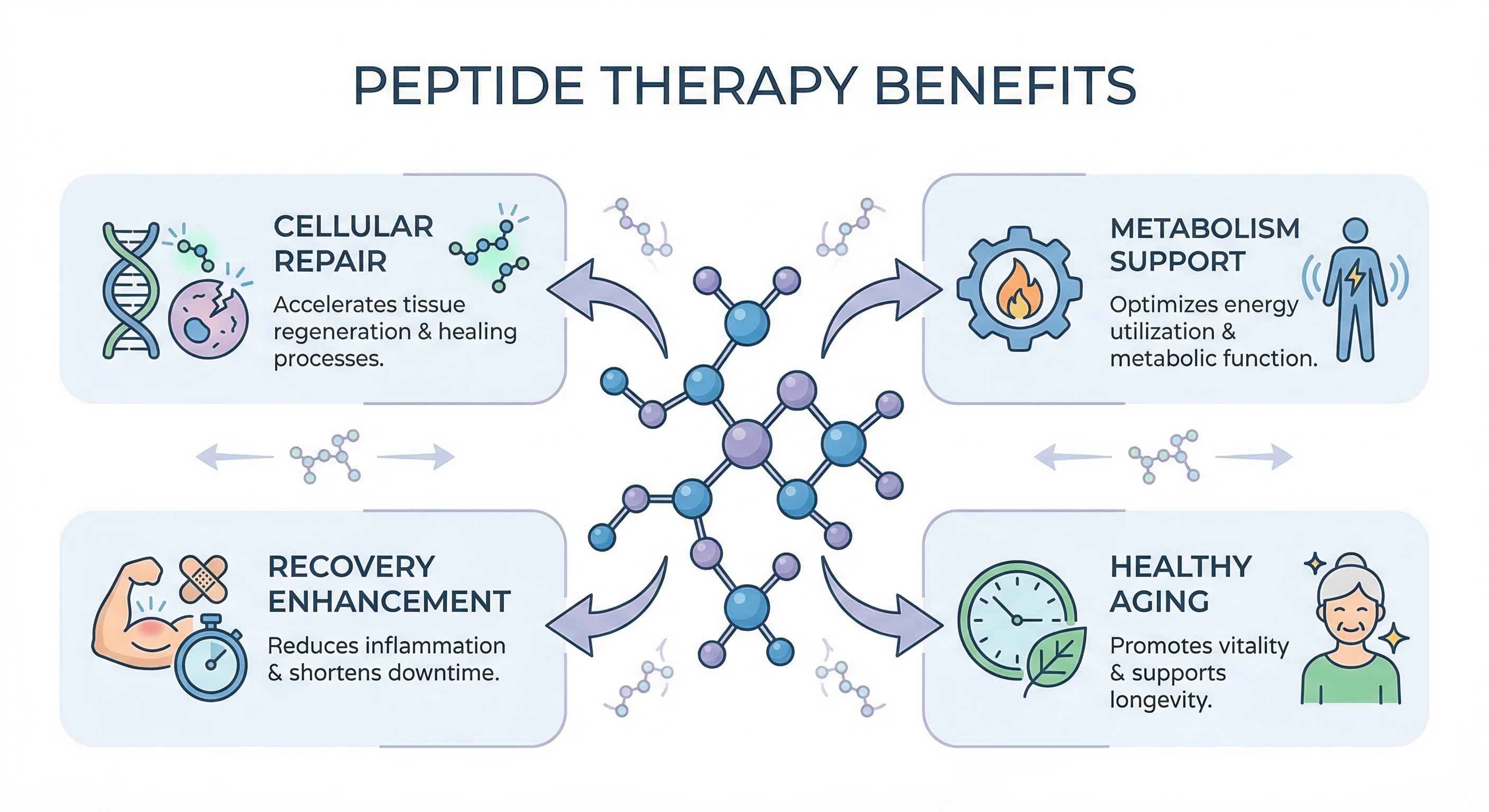
Robertson Wellness & Aesthetics offers personalized peptide therapy programs designed to support injury recovery, cellular health, and metabolic support. Their approach integrates advanced regenerative medicine techniques, including the use of peptides like TB 500 and BPC 157, as part of comprehensive wellness therapy plans. At RWACenter, care is tailored to each individual’s unique needs and goals, emphasizing professional guidance and ongoing support. While these therapies are being studied for their potential benefits, the RWA Center does not guarantee specific outcomes and encourages patients to consult with their healthcare providers to determine the best course of action.
Important information
The information provided is for educational purposes only and is not intended as medical advice. Certain therapies discussed may be investigational and are not approved by the FDA for the diagnosis, treatment, cure, or prevention of disease. Always consult with a qualified healthcare professional before beginning any new wellness protocol.