

Peptides and NAD+ (nicotinamide adenine dinucleotide) are key players in cellular health and the way cells generate energy. This guide walks through what each molecule is, how they function in the body, and how clinicians are using them in therapeutic settings. You’ll get concise explanations of their mechanisms, roles in repair and regeneration, and the potential anti‑aging benefits backed by current evidence. Many people notice changes in energy, focus, and overall vitality as they get older. Learning how peptides and NAD+ work can clarify options to support cellular resilience and wellbeing. Below we cover definitions, how these compounds interact, the main benefits of combined NAD+ – peptide approaches, common administration methods, safety considerations, and the latest research trends.
What are peptides and how do they function in the body?
Peptides are short chains of amino acids that act as signaling molecules throughout the body. By binding to receptors on cell surfaces, they trigger specific biological responses that regulate growth, repair, metabolism, and other core functions. Clinically, peptides are grouped by role – some act as endogenous messengers, others are formulated as therapeutic agents to target particular pathways.
Definition and types of peptides as signaling molecules
Technically, peptides are amino acid chains joined by peptide bonds, typically between 2 and 50 residues. Functionally, they include hormones, neurotransmitters, and growth factors. For example, insulin is a peptide hormone that controls glucose metabolism, while endorphins are peptides that influence pain and mood. These signaling molecules are essential for maintaining balance and enabling cells to communicate effectively.
How peptides support cellular repair and regeneration
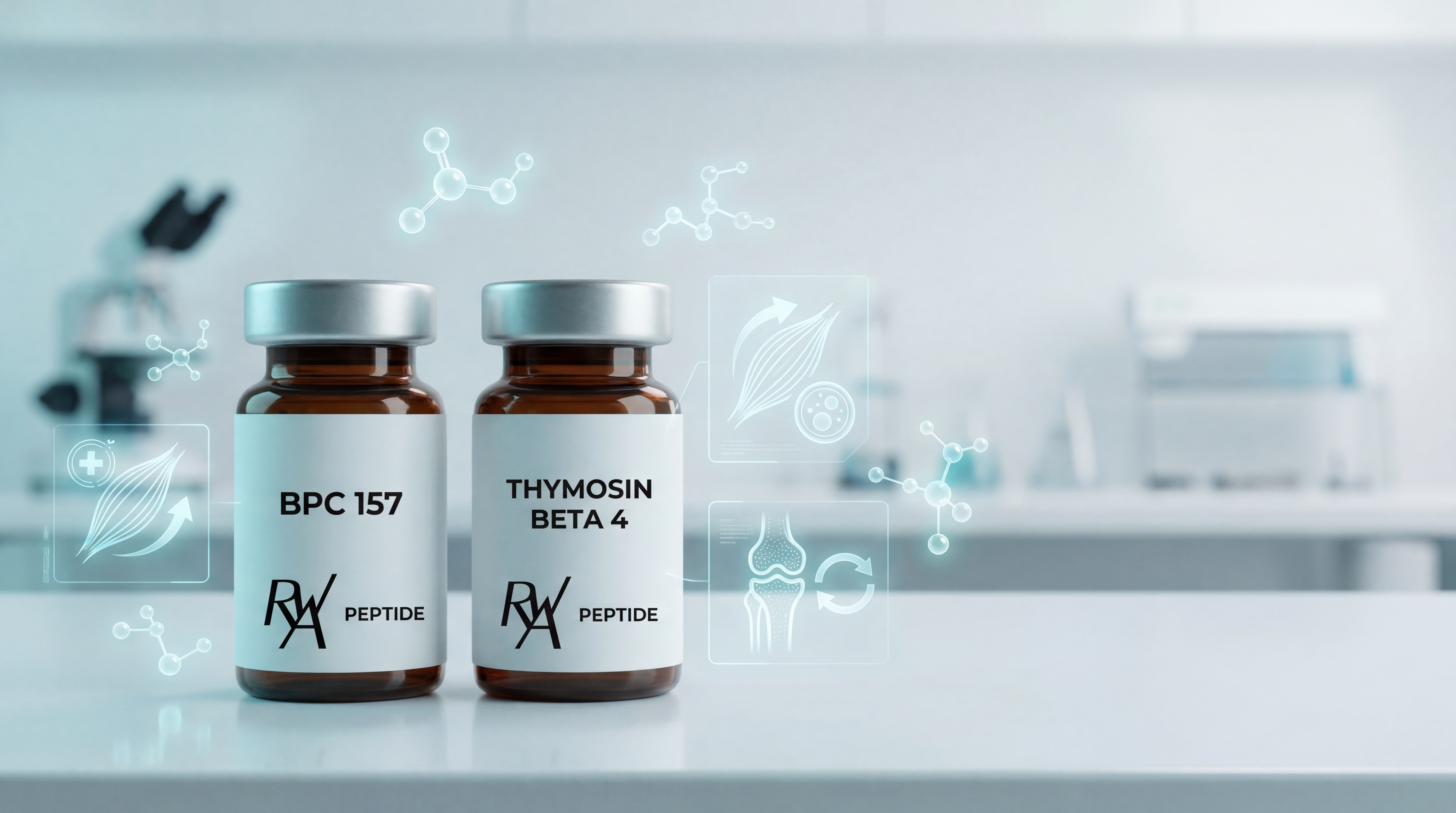
Peptides support tissue repair and regeneration by activating cellular pathways involved in healing. Collagen peptides help preserve skin structure and joint integrity, while investigational peptides such as BPC‑157 have accelerated wound healing and reduced inflammation in animal studies. By nudging cells toward repair and renewal, targeted peptides can help maintain healthy tissues over time.
What is NAD+ and why is it essential for cellular energy?
NAD+ is a coenzyme present in every living cell that’s central to energy metabolism and cellular maintenance. It helps convert nutrients into usable energy, supports key metabolic reactions, and participates in DNA repair pathways. Because NAD+ is involved in redox reactions that drive ATP production, its availability is closely tied to cellular energy capacity.
Role of NAD+ as a master coenzyme in metabolism and DNA repair
As a core coenzyme, NAD+ operates across multiple metabolic pathways – glycolysis, the citric acid cycle, and oxidative phosphorylation – serving as an electron carrier to generate ATP. NAD+ also activates enzymes such as PARPs (poly ADP‑ribose polymerases) that are involved in DNA repair, helping to preserve genomic stability and cellular function over time.
How NAD+ levels decline with age and impact health
Evidence shows NAD+ levels decline with age, which can reduce mitochondrial efficiency and weaken cellular repair mechanisms. This decline has been linked to metabolic dysfunction, cognitive changes, and increased vulnerability to age‑related conditions. Restoring NAD+ in laboratory and early clinical settings has improved mitochondrial performance and energy metabolism, making it a focus of anti‑aging research.
How do peptides and NAD+ work together for anti-aging benefits?
 When used together, peptides and NAD+ can produce complementary effects: peptides guide specific repair and signaling pathways while NAD+ helps power cellular metabolism and repair enzymes. That synergy can support better cellular function, improved energy, and more effective tissue regeneration than either approach alone.
Most popular peptides and NAD+ for health and wellness
Below are commonly used peptides and NAD+‑related compounds that practitioners reference for energy, repair, and longevity support. This list is intended to inform conversations with a qualified clinician rather than serve as treatment advice.
- BPC-157 – Investigational peptide noted for promoting tissue healing and reducing inflammation in preclinical models; used in recovery-focused protocols.
- Thymosin Beta-4 – A peptide that supports cell migration and repair, commonly explored for injury recovery and soft‑tissue regeneration.
- Melanotan II – Primarily known for tanning effects; also reported to influence appetite and libido in some contexts.
- NAD+ (Nicotinamide Adenine Dinucleotide) – Fundamental coenzyme for cellular energy and DNA repair; central to metabolic and longevity research.
Synergistic effects on cellular regeneration and sirtuin activation
Peptides and NAD+ can converge on longevity pathways – one example is sirtuin activation. Sirtuins are a family of proteins that regulate DNA repair, inflammation, and metabolic homeostasis. By increasing NAD+, sirtuin activity can be supported, which in turn may amplify the regenerative signals triggered by targeted peptides.
Comparing peptide therapy, NAD+ therapy, and combined approaches
Peptide therapy typically targets precise biological pathways to address healing, inflammation, or hormone signaling. NAD+ therapy focuses on restoring cellular energy and supporting repair enzymes. Combining both approaches can offer a broader, multi‑layered strategy – addressing signaling, repair mechanics, and the energetic capacity needed for effective regeneration.
What are the key benefits of NAD+ peptide therapy?
Combining NAD+ support with targeted peptides aims to pair regenerative signaling with restored cellular energy. That combined approach can address fatigue, repair deficits, and age‑related declines in cellular function in a coordinated way.
Boosting energy production and reducing fatigue
One clear goal of NAD+ peptide protocols is improved cellular energy. By restoring NAD+ availability, mitochondrial function and ATP production can increase, helping reduce fatigue and support better physical performance. Many patients report clearer stamina and quicker recovery following treatment courses.
Enhancing cognitive function, skin health, and immune support
Combined therapies may also support cognitive clarity, skin resilience, and immune responsiveness. Peptides can target tissue repair and structural support, while NAD+ helps power the metabolic and repair processes that maintain cognition, skin integrity, and immune cell function.
How are peptides and NAD+ administered and what are the safety considerations?
Delivery method and clinical oversight matter for both effectiveness and safety. Various administration routes are available, and each has trade‑offs in absorption, onset, and patient convenience. Decisions should be made with a licensed provider who can individualize dosing and monitor response.
Methods of administration: injections, IV therapy, oral, and topical
These compounds can be given by injection, IV therapy, oral supplements, or topical formulations. Injections and IV infusions tend to deliver faster, more predictable blood levels and are commonly used in clinical protocols. Oral forms are more convenient but may have lower bioavailability for NAD+; research is ongoing to improve absorption. Topical peptides can target localized skin or soft‑tissue concerns.
Potential side effects and the importance of medical supervision
While many patients tolerate these therapies well, potential side effects can include injection‑site reactions, digestive upset, or allergic responses. Because formulations, doses, and patient health vary, medical supervision is essential. A qualified clinician can recommend appropriate testing, monitor for adverse effects, and tailor therapy to individual needs.
What does recent research reveal about the future of peptides and NAD+ therapy?
Ongoing studies continue to refine how peptides and NAD+ can be used safely and effectively. Early clinical results are promising in several areas, but larger, long‑term trials are needed to establish optimal protocols and outcomes.
Latest clinical studies and emerging trends in combined therapies
Recent trials and preclinical work suggest combined peptide and NAD+ approaches can improve functional outcomes in certain settings, though evidence varies by condition and compound. A major trend is personalization – tailoring interventions to a person’s genetic profile, metabolic status, and health goals to maximize benefit and reduce risk.
Market growth and innovations in regenerative medicine for 2026
The market for peptide‑based and NAD+ therapies is expanding as demand for regenerative and anti‑aging solutions grows. Expect continued innovation in formulation and delivery – aimed at improving stability, bioavailability, and patient convenience. As research progresses, these therapies will likely become more refined and accessible within evidence‑based clinical care.
Conclusion
Understanding the synergistic benefits of peptides and NAD+ can empower individuals to enhance their cellular health and overall vitality. These therapies offer promising avenues for improved energy, cognitive function, and tissue regeneration, making them valuable tools in the pursuit of longevity. To explore how these innovative treatments can fit into your wellness journey, consult with a qualified healthcare provider today. Embrace the potential of peptides and NAD+ to support your health and vitality as you age.
Important information
The information provided in this article is for educational and informational purposes only. Peptide therapies and NAD-related treatments are areas of ongoing research and are not currently approved by the U.S. Food and Drug Administration (FDA) for the diagnosis, treatment, cure, or prevention of any disease unless specifically stated. Individual results may vary. Any wellness therapies discussed should be considered in consultation with a qualified healthcare professional. This content is not intended to replace medical advice, diagnosis, or treatment from a licensed provider. Before beginning any new therapy, supplementation, or wellness protocol, we encourage you to speak with a medical professional to determine what is appropriate for your personal health situation.