
Poor sleep affects millions of Americans. Whether it stems from chronic stress, irregular schedules, or a dysregulated circadian rhythm, the search for non-habit-forming solutions has led many patients and clinicians to look beyond conventional medications. Delta Sleep-Inducing Peptide – commonly known as DSIP peptide – is a naturally occurring neuropeptide being studied for its potential role in supporting deeper, more restorative sleep and overall wellness therapy.
This guide covers what DSIP is, how it may work, who might benefit from it, and how it fits into a broader integrative approach to longevity and cellular health.
What is the DSIP peptide?
DSIP (Delta Sleep-Inducing Peptide) is a nine-amino-acid neuropeptide first isolated in the 1970s from the brain tissue of rabbits exhibiting deep delta wave sleep. Sometimes referred to in pharmaceutical literature as emideltide, it was the first substance ever extracted from brain tissue specifically because of its observed sleep-promoting properties.
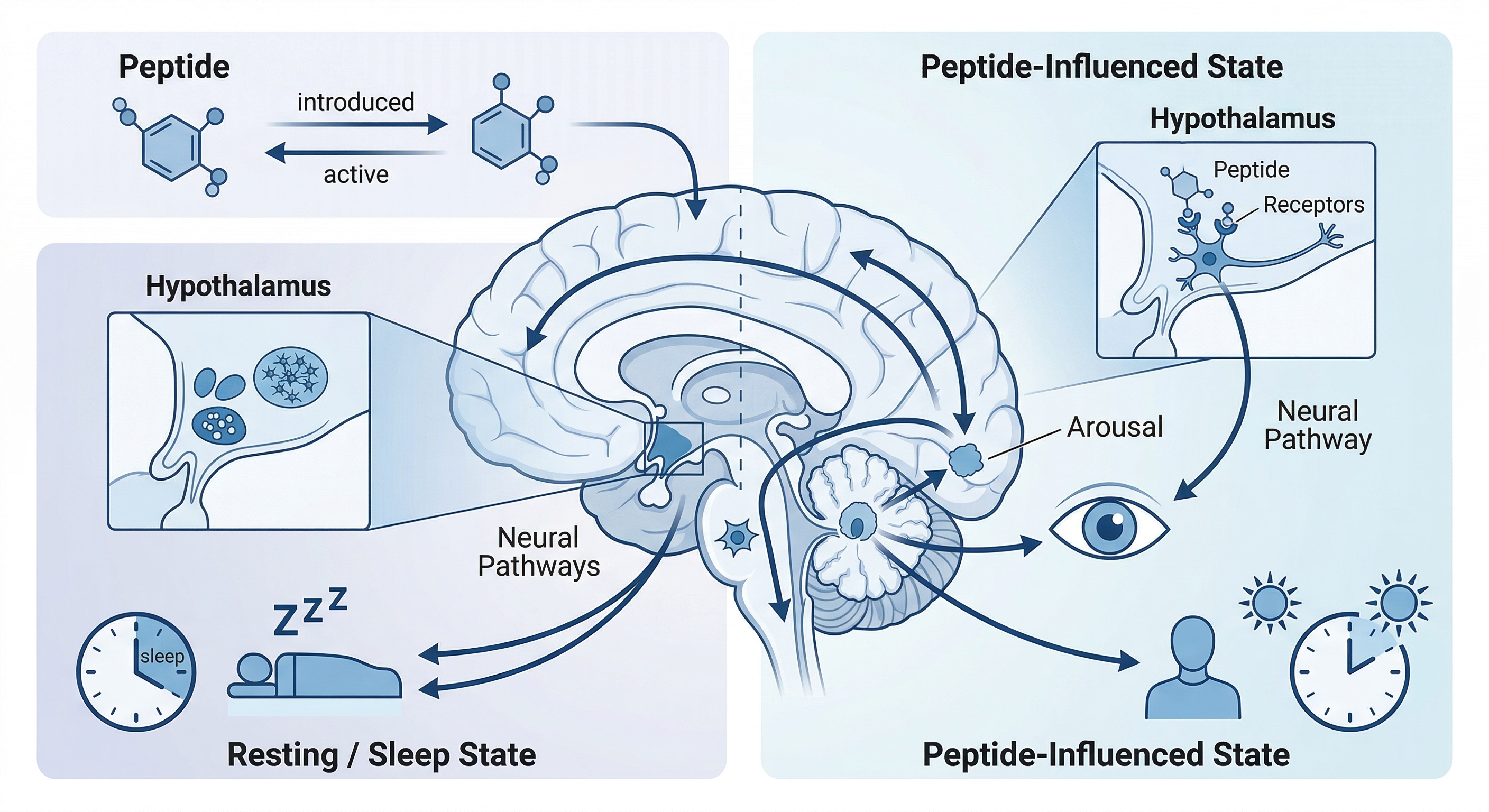
Unlike sedative drugs that chemically suppress brain activity, DSIP is believed to interact with the body’s own neuroendocrine systems. Research suggests it plays a role in modulating the hypothalamus, influencing neurotransmitters such as GABA, serotonin, dopamine, and noradrenaline. Its ability to cross the blood-brain barrier allows it to act directly on central nervous system structures involved in sleep regulation and stress response.
DSIP is classified as an investigational compound. It is not FDA-approved for the treatment of insomnia or any other condition. Individual results vary, and use should always be supervised by a qualified healthcare provider.
How DSIP peptide may support sleep quality and brain health
Sleep is not a passive state. It is an active, deeply regulated physiological process involving hormones, neurotransmitters, and neural networks across the brain. DSIP is being studied for its possible influence on several aspects of this process:
Delta wave and slow-wave sleep
Delta sleep – also called slow-wave or Stage 3 sleep – is the most physically restorative phase of the sleep cycle. Some patients report that DSIP may support an increase in time spent in this stage, potentially contributing to improved tissue repair, immune function, and cognitive consolidation. However, large-scale human trials remain limited and results vary.
Circadian rhythm regulation
The body’s internal clock, or circadian rhythm, governs the timing of sleep and wakefulness in response to light, temperature, and hormonal cues. Research suggests DSIP may interact with these regulatory pathways, playing a role in helping to normalize disrupted sleep-wake cycles. This has drawn interest from researchers studying shift workers and those with circadian misalignment.
Stress response and cortisol modulation
Elevated cortisol is a common driver of insomnia and sleep fragmentation. DSIP is being studied for its potential to help normalize stress hormone secretion, reduce anxiety-related arousal, and support the nervous system’s transition into a restful state without the sedation or dependency risks associated with benzodiazepines or z-drugs.
Rapid eye movement sleep and sleep architecture
Unlike many conventional sleep aids that suppress rapid eye movement sleep (REM sleep), early research on DSIP suggests it may support more natural sleep architecture. REM sleep plays a critical role in mood regulation, memory consolidation, and behavioral neuroscience – making its preservation a meaningful consideration for long-term brain health.
Pain management and inflammation
For individuals whose sleep is disrupted by chronic discomfort, DSIP’s possible analgesic and anti-inflammatory properties may offer an additional layer of support. Some researchers have explored its potential in breaking the cycle of pain, insomnia, and increased pain sensitivity – though clinical evidence in humans is still preliminary.
DSIP peptide vs. other sleep-support approaches
Understanding where DSIP sits relative to other options can help patients and clinicians make more informed decisions:
- Melatonin – primarily helps with sleep onset and circadian alignment; DSIP may more broadly influence deep sleep architecture and stress response
- Benzodiazepines – carry significant risks of dependency and cognitive side effects; DSIP does not appear to share these mechanisms
- Z-drugs (e.g., zolpidem) – associated with REM suppression and rebound insomnia; DSIP’s profile suggests a different, more physiology-aligned mechanism
- Other peptides (Epitalon, Semax, BPC-157) – broader systemic effects; DSIP is more specifically studied for sleep and neuroendocrine regulation
To explore how other peptides may complement recovery, read our article on BPC-157 – a peptide being studied for tissue repair and systemic wellness.
Available forms and dosage guidelines for DSIP
DSIP is available through several administration routes. Each has different absorption characteristics, and the most appropriate method should be determined in consultation with a qualified provider:
Administration methods
- Subcutaneous injection – the most studied method; generally considered to offer the most reliable bioavailability
- Nasal spray – less invasive, though bioavailability may be lower than injectable forms
- Sublingual tablets – a convenient oral-adjacent option with variable absorption
General dosage considerations
Research protocols have typically explored dosages in the range of 100 to 500 micrograms per administration. Many clinical observations suggest use 2-3 times per week rather than daily, with cycling periods to help maintain response over time. Administration is often timed 30-60 minutes before sleep. These are general references only – appropriate dosing is highly individual and must be established by a licensed healthcare professional.
| Parameter | Research / Clinical Protocols | Peptide-Therapy Context |
|---|---|---|
| Standard dose | 25 nmol/kg intravenous (used in human sleep studies) | 100–300 µg subcutaneous injection; starting at the lower end is recommended |
| Route | Slow intravenous infusion (research setting) | Subcutaneous injection or intranasal spray |
| Timing | Morning infusion; sleep-pressure effect observed within ~130 min | Evening, approximately 30–60 min before intended sleep time |
| Frequency | Single acute doses in most trials | Daily or intermittent (3–5x/week); varies by practitioner protocol |
| Cycle length | Single session to 10-day courses (e.g., Deltaran in pediatric CNS studies) | No established standard; cycles of 2–4 weeks with breaks commonly suggested |
| Dose adjustment | Weight-based (nmol/kg) in IV protocols | Titrate based on individual response; exceeding recommended range increases risk of excessive sedation |
| Contraindications / cautions | Severe psychiatric conditions; untreated obstructive sleep apnea; concurrent CNS-active medications; pregnancy or lactation; use in children requires specialist supervision | |
| Overdose caution | No lethal dose established in animal research, but higher doses increase day-after fatigue and may paradoxically disturb natural sleep architecture | |
Note: Dosage figures from peptide-therapy contexts are based on practitioner protocols, not regulatory-approved guidelines. Always consult a qualified healthcare professional before use.
Who may benefit from DSIP peptide therapy?
DSIP therapy may be worth discussing with a provider if you identify with one or more of the following profiles. Individual results vary, and DSIP is not appropriate for everyone:
- People with chronic insomnia that has not responded adequately to behavioral or conventional pharmacological interventions
- Shift workers or frequent travelers are dealing with circadian rhythm disruption
- Individuals experiencing stress-related sleep disturbances and elevated cortisol patterns
- Athletes and active individuals seeking to optimize recovery through improved sleep quality
- Older adults experiencing age-related changes in sleep architecture and hormone secretion
- People who have experienced side effects from traditional sleep medications and are seeking non-sedating alternatives
- Individuals managing chronic pain conditions that interfere with restorative sleep
Potential benefits and considerations of DSIP therapy
Potential benefits (based on available research)
- May support natural sleep architecture without pharmacological sedation
- Non-habit forming – does not appear to carry dependency or tolerance risks comparable to benzodiazepines or opiates
- No reported morning grogginess in available studies
- Possible complementary effects on stress, pain, and immune regulation
- May support wellness goals related to longevity, cellular health, and metabolic support
Considerations and limitations
- DSIP is investigational – large-scale human clinical trials are limited
- Injectable forms require proper handling, reconstitution, and refrigeration
- Effects vary between individuals – not all users report the same outcomes
- Cost may be higher than over-the-counter sleep aids
- Access requires a consultation with a qualified provider
Safety profile and side effects
The available research on DSIP suggests a generally favorable safety profile when used under professional supervision. Side effects appear to be infrequent and mild in most reported cases, and may include:
- Temporary injection site reactions (with subcutaneous administration)
- Mild headache in some individuals
- Vivid dreams – often considered a sign of enhanced REM sleep activity
- Occasional mild gastrointestinal discomfort
DSIP does not appear to suppress respiratory function or cause the cognitive impairment sometimes associated with sedative-hypnotic drugs. However, individuals with pre-existing health conditions, hormonal disorders, or those taking medications should consult their healthcare provider before starting any peptide therapy. This therapy may be investigational and off-label for many use cases.
| Side Effect | Frequency | Severity | Notes |
|---|---|---|---|
| Next-day fatigue / lethargy | Common | Mild | Most often reported when dose is too high or administered at the wrong time; linked to excessive deepening of sleep cycles. |
| Headache | Uncommon | Mild | Described as transient in clinical literature; no lasting effects reported. |
| Nausea / stomach discomfort | Uncommon | Mild | Typically mild; more common in individuals sensitive to peptide injections. |
| Dizziness / vertigo | Rare | Mild | Transient; noted alongside headache and nausea as the primary observed human side effects in a 2001 European Journal of Anesthesiology editorial. |
| Injection site reaction | Uncommon | Mild | Includes redness or mild irritation at the subcutaneous injection site. |
| Hormonal disruption | Theoretical | Moderate | Prolonged use may alter testosterone and growth hormone release; no confirmed human cases but monitoring is warranted. |
| Sleep cycle dependency | Theoretical | Moderate | Excessive use may impair natural sleep regulation; rebound insomnia possible upon discontinuation. |
| Mood / neurotransmitter effects | Theoretical | Moderate | DSIP interacts with serotonin and dopamine pathways; long-term use may affect mood regulation, especially in individuals prone to anxiety or depression. |
| Allergic reaction | Rare | Variable | As with any exogenous peptide; exercise caution in individuals with known peptide sensitivities. |
Note: Long-term safety and side-effect profiles have not been established in formal clinical research. Not FDA-approved for any therapeutic use.
DSIP in the context of longevity and integrative wellness
Sleep is foundational to virtually every metric of health – from metabolic support and immune defense to mood regulation and neurological resilience. A growing body of research in behavioral neuroscience and neuroendocrinology positions sleep optimization as one of the highest-leverage interventions for healthy aging.
For patients pursuing integrative wellness protocols, DSIP may be considered alongside other evidence-informed approaches such as NAD+ therapy, peptide support, and IV nutritional therapy. Combining therapies requires careful professional oversight to ensure safety and synergy.
Learn more about the intersection of peptides and NAD+ and how they may work together to support cellular health and energy metabolism.
For those interested in complementary peptide options, explore our article on GHK-Cu – a copper peptide being studied for regenerative and anti-aging applications.
Inflammation plays a significant role in sleep disruption and overall health. Read about KPV – a tripeptide being researched for its anti-inflammatory properties and gut health support.
DSIP peptide therapy at Robertson Wellness & Aesthetics
Robertson Wellness & Aesthetics (rwacenter.com) is a Beverly Hills-based integrative wellness center specializing in evidence-informed therapies designed to support the body’s natural optimization pathways. For patients exploring peptide therapy as part of a personalized wellness protocol, RWA Center offers consultations to evaluate candidacy, discuss goals, and develop individualized treatment plans under professional medical supervision.
The center’s peptide therapy program spans a range of compounds studied for their roles in recovery, hormonal support, cellular repair, and sleep optimization. RWA Center’s approach emphasizes starting with a thorough clinical evaluation – including blood testing where appropriate – to ensure that any recommended therapy aligns with the patient’s physiology and wellness objectives.
In addition to peptide therapy, RWA Center offers a comprehensive suite of integrative services, including NAD+ IV therapy, ozone therapy, IV nutritional infusions, blood testing, and body contouring. This multi-modal framework allows providers to address sleep, recovery, longevity, and metabolic support as part of a cohesive, patient-centered plan.
To explore whether DSIP or another peptide may be appropriate for your wellness goals, visit the peptide therapy page or schedule a consultation with the RWA Center team.
RWA Center serves California residents from its Beverly Hills location at 8920 Wilshire Blvd, Suite 320, Beverly Hills, CA 90211. Concierge services are also available for patients seeking in-home or remote consultations.
Frequently asked questions about the DSIP peptide
What does DSIP stand for?
DSIP stands for Delta Sleep-Inducing Peptide – a reference to its proposed role in promoting delta wave sleep, the deepest and most physically restorative stage of the sleep cycle.
Is DSIP the same as melatonin?
No. Melatonin is a hormone primarily involved in signaling the onset of sleep in response to darkness. DSIP is a neuropeptide with a different mechanism of action – it is studied for its broader influence on sleep architecture, stress hormone regulation, and neurotransmitter activity rather than simply sleep timing.
How is DSIP peptide typically administered?
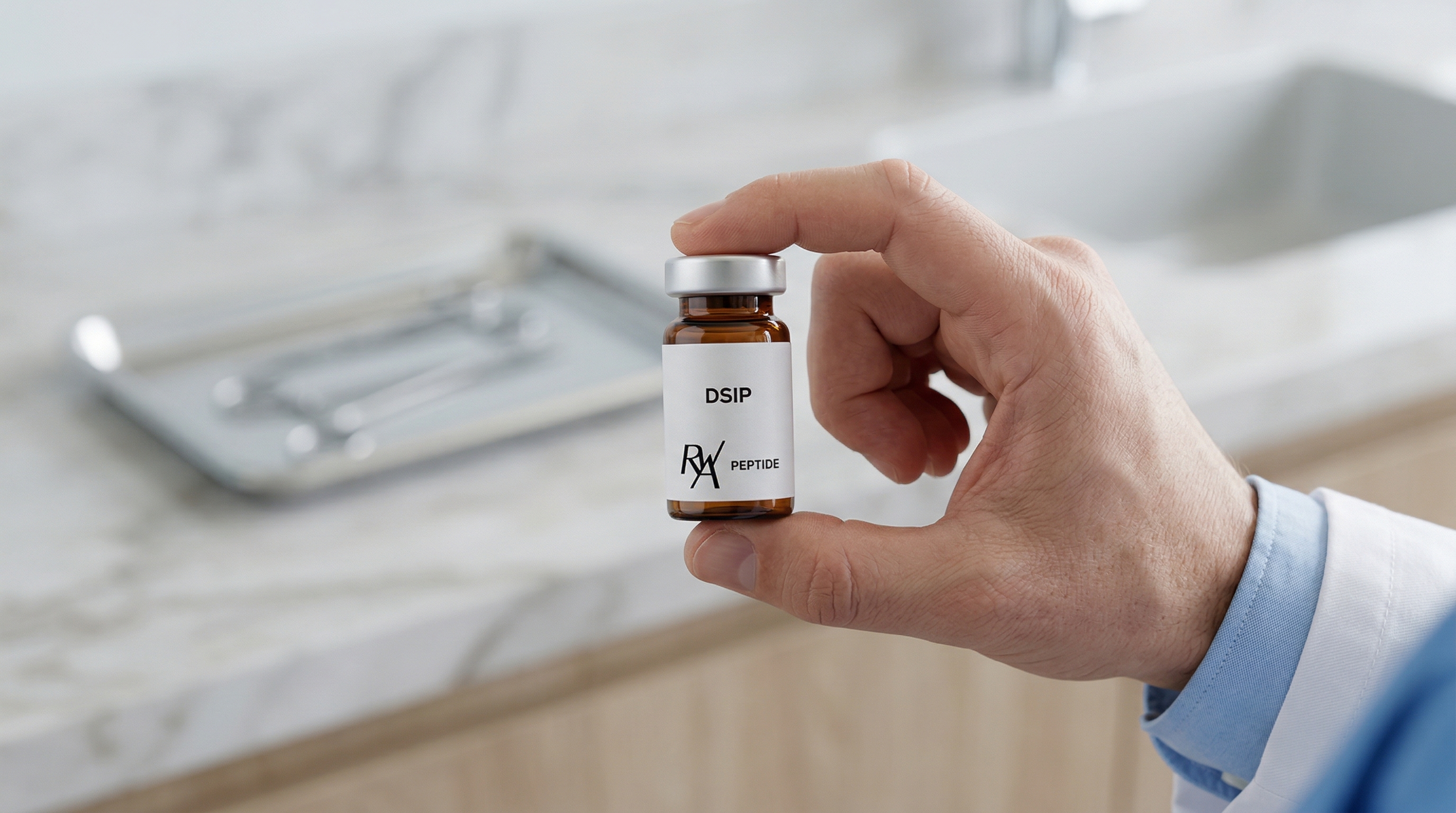
The most common form in research settings is subcutaneous injection, typically administered 30-60 minutes before sleep. Nasal spray and sublingual tablet forms are also being explored. The appropriate method and dose should be determined by a qualified healthcare professional.
Is DSIP peptide legal?
DSIP is not a controlled substance in the United States and is available for research and clinical use. However, it is not FDA-approved for any specific indication. Its use in a clinical setting should be discussed with a licensed provider who can assess appropriateness and ensure quality sourcing.
Can DSIP be combined with other peptides?
Some wellness protocols combine DSIP with other peptides or supportive therapies. Combination approaches should always be overseen by a qualified provider who can evaluate potential interactions, monitor progress, and adjust dosing as needed.
Conclusion
DSIP peptide represents one of the more intriguing developments in sleep science and integrative wellness therapy. As a naturally occurring neuropeptide with a research history spanning several decades, it offers a distinct profile compared to conventional sleep medications – one focused on supporting the body’s own sleep architecture rather than chemically inducing sedation.
While the current evidence base is promising, it is important to approach DSIP with realistic expectations. It is an investigational compound with individual variability in response, and its use should be part of a broader conversation with a knowledgeable healthcare provider about sleep health, hormonal balance, and overall longevity goals.
For those in California interested in learning more about peptide therapy or related services, Robertson Wellness & Aesthetics provides consultations to help patients determine whether DSIP or another wellness therapy aligns with their individual needs.
The information provided is for educational purposes only and is not intended as medical advice. Certain therapies discussed may be investigational and are not approved by the FDA for the diagnosis, treatment, cure, or prevention of disease. Always consult with a qualified healthcare professional before beginning any new wellness protocol.