


Yes — you can use GLP-1 medications for weight loss without having diabetes. Two of them, semaglutide (Wegovy) and tirzepatide (Zepbound), are FDA-approved specifically for chronic weight management in adults with obesity or excess weight plus a related health condition, regardless of whether you have diabetes. These medications were first developed for type 2 diabetes, but their weight-loss versions are approved for a separate purpose. They work by mimicking a natural gut hormone that curbs appetite and slows digestion, and they must be prescribed and monitored by a licensed physician after an evaluation. Here is what to know before starting.
What is GLP-1, and how does it cause weight loss?
GLP-1 stands for glucagon-like peptide-1, a hormone your gut naturally releases after you eat. GLP-1 receptor agonists are medications that mimic that hormone. They promote weight loss through three main actions: they slow how quickly your stomach empties, they signal fullness to the appetite centers of your brain, and they help regulate blood sugar and insulin. In plain terms, they make you feel satisfied sooner and stay full longer, so you naturally eat less without the constant hunger that derails most diets.
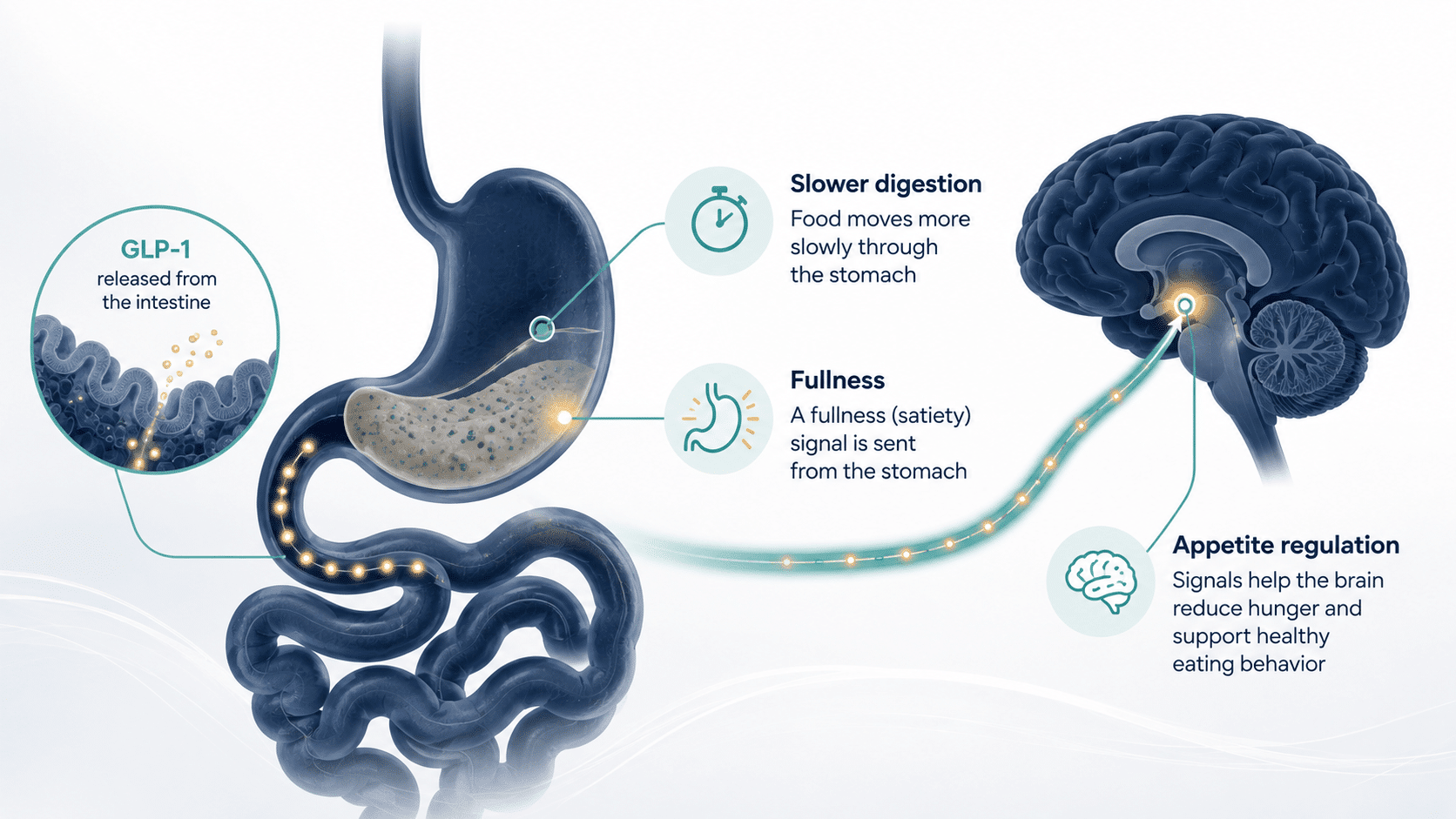
Some newer medications, like tirzepatide, add a second hormone pathway (GIP) alongside GLP-1, which tends to produce even greater average weight loss. For a detailed head-to-head, see our comparison of semaglutide vs tirzepatide. Both are delivered as a once-weekly injection and used as part of a broader medical weight loss program that includes nutrition and clinical supervision — not as standalone shortcuts.
Can you take GLP-1 for weight loss if you don’t have diabetes?
This is the most common question, and the answer is yes. The confusion is understandable: the same active ingredients appear under different brand names for different uses. Semaglutide is sold as Ozempic and Rybelsus for type 2 diabetes, and as Wegovy for weight management. Tirzepatide is sold as Mounjaro for diabetes and Zepbound for weight management. The FDA approved Wegovy in 2021 and Zepbound in 2023 specifically for chronic weight management — and those approvals do not require a diabetes diagnosis.
Instead, eligibility is based on weight and health risk. In general, these medications are indicated for adults with a body mass index (BMI) of 30 or higher (obesity), or a BMI of 27 or higher (overweight) who also have at least one weight-related condition such as high blood pressure, high cholesterol, or obstructive sleep apnea. Whether you qualify — and whether it’s appropriate for you — is a clinical decision made with a physician after reviewing your history and, often, comprehensive blood testing.
How much weight can you lose?
Results vary, but the clinical trial averages are substantial. In the pivotal trials, semaglutide (2.4 mg) produced roughly 15% average body-weight reduction over 68 weeks (Wilding et al., New England Journal of Medicine, 2021), and tirzepatide produced roughly 20% over 72 weeks (Jastreboff et al., New England Journal of Medicine, 2022). These are averages across study populations under medical supervision alongside lifestyle changes; individual results depend on dose, adherence, nutrition, activity, and biology. The medications are titrated gradually — started low and increased over weeks — to improve tolerability, so weight loss unfolds over months rather than overnight.
Is GLP-1 safe for people without diabetes?
For appropriate candidates, GLP-1 medications are generally well tolerated, and an important reassurance for non-diabetics is that the risk of dangerously low blood sugar (hypoglycemia) is low, because GLP-1 stimulates insulin in a glucose-dependent way — it mainly acts when blood sugar is elevated. That said, these are real medications with real considerations:
- Common side effects are gastrointestinal: nausea, abdominal pain, heartburn, and diarrhea or constipation. They are usually most noticeable when starting or increasing the dose and often ease over time; slow titration, hydration, and dietary adjustments help.
- Boxed warning. These medications carry the FDA’s most serious warning regarding a risk of thyroid C-cell tumors seen in rodent studies. They are contraindicated in anyone with a personal or family history of medullary thyroid carcinoma (MTC) or Multiple Endocrine Neoplasia syndrome type 2 (MEN 2).
- Other cautions. They are generally avoided in people with a history of pancreatitis, are not used in pregnancy, and rare but serious risks include pancreatitis and gallbladder problems.
- Not for everyone. A thorough evaluation screens for these conditions before any prescription — which is exactly why GLP-1 medications should be physician-supervised, not ordered from an unvetted online source.
Ready to see if GLP-1 is right for you?
You don’t need diabetes to qualify. Our Beverly Hills physicians evaluate your history, goals, and labs,confirm whether a GLP-1 medication fits, and supervise your program from titration through follow-up —with concierge visits available across Greater LA.
*$450 initial consultation can be waived with the purchase of a package. These statements have not beenevaluated by the FDA. GLP-1 medications are prescribed only after a medical evaluation by a licensed provider,are not appropriate for everyone, and individual results vary.
Who is a good candidate — and who isn’t?
GLP-1 medications for weight loss are generally considered for adults who meet the BMI criteria above, who are ready to pair medication with sustained lifestyle change, and who have been screened for the contraindications. They are not a cosmetic quick fix for a few vanity pounds, and they are not appropriate for people with the thyroid or pancreatic history noted earlier, during pregnancy or breastfeeding, or for those unwilling to be medically monitored. Because obesity is a chronic, relapsing condition, these medications are most effective as part of an ongoing plan rather than a short course — which brings up the most important honest caveat.
What happens when you stop?
Weight regain is common after stopping a GLP-1 medication, especially without durable lifestyle changes, because the appetite-regulating effect ends when the medication does. This is not a reason to avoid treatment; it is a reason to treat obesity like the chronic condition it is and to plan for the long term with your provider. A good program builds in nutrition coaching, muscle-preserving strategies, and a thoughtful approach to maintenance or tapering — not just a prescription.
How to get started safely
Starting GLP-1 therapy the right way means a consultation, a review of your health history, and appropriate labs — not a form and a credit card. At Robertson Wellness and Aesthetics, the medical weight loss program begins with a physician evaluation and body-composition assessment, matches the medication and dose to you, and supervises titration and follow-up to keep side effects manageable. For patients who prefer discretion or convenience, concierge visits bring the same physician-supervised care to your home, hotel, or office across Beverly Hills and Greater LA. You can also meet the clinical team who oversee the program.
Medical Disclaimer
These statements have not been evaluated by the Food and Drug Administration for off-label uses. This article is for educational purposes only and is not intended to diagnose, treat, cure, or prevent any disease. GLP-1 medications are prescription drugs that must be prescribed and supervised by a licensed healthcare provider following an individual medical evaluation. They are not appropriate for everyone, carry a boxed warning regarding thyroid C-cell tumors, and are contraindicated in patients with a personal or family history of medullary thyroid carcinoma or MEN 2. Compounded formulations are not FDA-approved, and the FDA does not verify the safety or effectiveness of compounded drugs. Individual results may vary. Always consult a qualified healthcare provider before beginning any new treatment.
Frequently asked questions
Can I get GLP-1 for weight loss if I’m not diabetic?
Yes. Wegovy (semaglutide) and Zepbound (tirzepatide) are FDA-approved for chronic weight management in adults who meet BMI criteria, with no diabetes diagnosis required. Eligibility is based on your weight and weight-related health conditions, and a physician confirms whether it’s appropriate for you.
How does GLP-1 make you lose weight?
GLP-1 medications mimic a gut hormone that slows stomach emptying and signals fullness to the brain, so you feel satisfied sooner and eat less. Combined with nutrition and activity, that reduced intake drives weight loss over time.
Is GLP-1 safe if you don’t have diabetes?
For appropriate candidates, yes, and the risk of low blood sugar is low in people without diabetes because GLP-1 raises insulin mainly when blood sugar is elevated. The most common side effects are gastrointestinal, and there are important contraindications (such as a personal or family history of medullary thyroid cancer), which is why medical evaluation and supervision are essential.
Which GLP-1 is best for weight loss?
On average, tirzepatide (Zepbound) has produced greater weight loss than semaglutide (Wegovy) in trials, but the “best” option depends on your medical history, tolerance, and goals. See our detailed semaglutide vs tirzepatide comparison, and discuss the choice with your provider.
Will I regain the weight if I stop?
Weight regain is common after stopping, particularly without lasting lifestyle changes, because the appetite effect ends with the medication. Treating obesity as a long-term, chronic condition — with a maintenance plan built with your provider — gives the best chance of keeping results.
How much does GLP-1 cost without insurance?
Costs vary by medication and program. At Robertson Wellness and Aesthetics, the semaglutide program is $800 per month and the tirzepatide program is $925 per month, with a $450 initial consultation that can be waived with a package. Your provider can review options during a consultation.
Talk to a physician about GLP-1
If you’re considering GLP-1 medication for weight loss — with or without diabetes — the best first step is a consultation to confirm you’re a candidate and to build a plan that lasts. Robertson Wellness and Aesthetics offers physician-supervised GLP-1 weight management in Beverly Hills, with in-clinic and concierge options. Book a consultation to get started.


